
Understanding Uterine Fibroid Embolization (UFE)
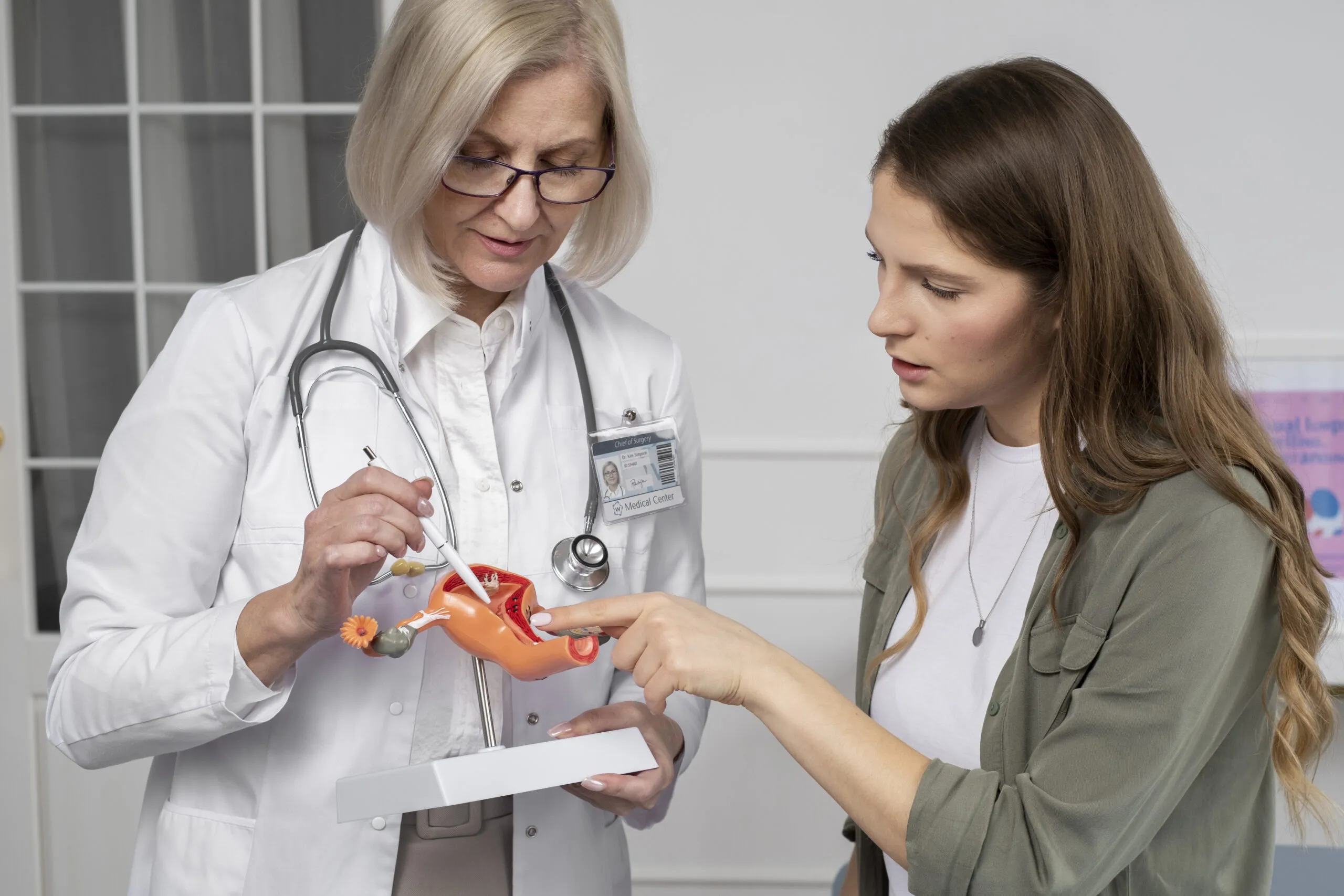
What Are Uterine Fibroids?
Uterine fibroids, also known as leiomyomas or myomas, are noncancerous growths that develop in the muscular wall of the uterus. They can cause various symptoms including:
- Heavy or prolonged menstrual bleeding
- Pelvic pain or pressure
- Frequent urination
- Pain during intercourse
- Lower back pain
- Fertility issues in some cases
Fibroids vary in size and number, and their impact depends on these factors and their location in the uterus.
How Are Uterine Fibroids Traditionally Treated?
Historically, fibroid treatment often involved surgery, such as:
- Hysterectomy – complete removal of the uterus, eliminating fibroids but ending fertility.
- Myomectomy – surgical removal of fibroids while preserving the uterus.
While effective, these procedures require hospitalization, anesthesia, and lengthy recovery times.
What Is Uterine Fibroid Embolization (UFE)?
Uterine fibroid embolization is a “minimally invasive procedure performed by interventional radiologists” that blocks blood flow to fibroids rather than surgically removing them.
During the procedure, a physician inserts a catheter through a small incision in the groin or wrist and guides it into the uterine arteries. Tiny particles block the vessels feeding the fibroids. Without blood flow, fibroids gradually shrink and symptoms improve.
What Are the Benefits of the UFE Procedure?
The UFE procedure offers several advantages compared to surgery:
- Non-surgical: Requires only a small incision, with no large cuts or stitches.
- Short recovery: Most patients return to normal activities within one to two weeks.
- Preserves the uterus: Unlike hysterectomy, UFE does not remove the uterus.
- High success rate: Studies show that the majority of women experience significant symptom relief.
- Lower risk: Fewer complications compared to open surgery.
Who Is a Candidate for UFE?
Generally, women may benefit from UFE if they:
- Have symptomatic fibroids causing pain, heavy bleeding, or pressure
- Want to avoid surgery or preserve the uterus
- Are not planning to become pregnant in the future
- Do not have certain pelvic infections or cancers
What to Expect During the UFE Procedure
The procedure typically involves the following steps:
Preparation: Patients undergo imaging studies, such as MRI or ultrasound, to assess fibroid size and location.
Procedure:
- Local anesthesia and mild sedation are given for comfort.
- A catheter is inserted into the femoral artery (in the groin) or radial artery (in the wrist).
- Using imaging guidance, the catheter is advanced into the uterine arteries.
- Embolic particles are released to block blood flow to the fibroids.
Duration: The procedure usually takes one to two hours.
Recovery: Patients are monitored for a few hours and often return home the same day or the next morning.
What Is Recovery Like After Uterine Fibroid Embolization?
The recovery process is generally shorter than surgical procedures:
- Initial days: Some cramping and discomfort are common and can be managed with medication.
- First week: Fatigue may occur, but most patients resume light activities.
- One to two weeks: Many patients return to work and normal routines.
- Long-term: Fibroids shrink over several months, leading to gradual symptom relief.
Regular follow-up imaging ensures the treatment is successful.
Effectiveness of UFE Compared to Other Treatments
Research shows that UFE is highly effective, with approximately 85-90% of women experiencing significant improvement in symptoms [1]. Compared to surgical treatments:
- UFE vs. Hysterectomy: Both provide relief, but UFE avoids major surgery and preserves the uterus.
- UFE vs. Myomectomy: Myomectomy may be preferred for women planning pregnancy, while UFE is often better for those prioritizing shorter recovery.
Advantages of Non-Surgical Fibroid Treatment
Non-surgical approaches like UFE align with modern healthcare’s emphasis on patient comfort, safety, and faster recovery. Key advantages include:
- Reduced hospital stays
- Lower risk of infection
- Faster return to daily life
- Less physical and emotional strain
Relief Without Surgery Is Possible
Uterine fibroids can disrupt daily life, but women no longer need to rely solely on surgery for relief. UFE offers a proven, minimally invasive solution that provides effective symptom control, preserves the uterus, and shortens recovery time. At Preferred Vascular Group, specialists provide advanced, patient-centered care to ensure the best outcomes for fibroid management.
FAQs About Uterine Fibroid Embolization
1. Is UFE painful? Mild to moderate cramping is common during and after the procedure, but medication effectively manages discomfort.
2. How long does it take for fibroids to shrink after UFE? Fibroids typically begin shrinking within weeks, with maximum reduction and symptom relief occurring over several months.
3. Can I still get pregnant after UFE? Fertility outcomes after UFE are still being studied. Some women have successful pregnancies, but others may face challenges. Patients should discuss goals with their doctor.
4. Are fibroids likely to return after UFE? Because fibroids shrink rather than being removed, new fibroids can develop over time, but recurrence rates are lower compared to some surgical options.
5. Is UFE covered by insurance? Most insurance providers cover UFE as it is a recognized and established treatment for fibroids. Patients should verify coverage with their provider.
References
- Dasgeb B, et al. “Uterine artery embolization for fibroids: a review of current outcomes.” Seminars in Interventional Radiology, 2010. Link
- Liang E, et al. “Systematic review and meta-analysis of current evidence in uterine artery embolization vs myomectomy for symptomatic uterine fibroids.” European Radiology, 2024. Link
- Office on Women’s Health. “Uterine Fibroids.” U.S. Department of Health and Human Services. Link
Frequently Asked Questions
Is UFE painful?
How long does it take for fibroids to shrink after UFE?
Can I still get pregnant after UFE?
Are fibroids likely to return after UFE?
Is UFE covered by insurance?
Medically Reviewed By: Shrenik Shah, MD
Medical Disclaimer: This content is for informational purposes only and does not constitute medical advice. Always consult a qualified healthcare provider for diagnosis and treatment options specific to your condition.