
When Should You Consider Uterine Fibroid Embolization?
Understanding Uterine Fibroid Embolization (UFE)
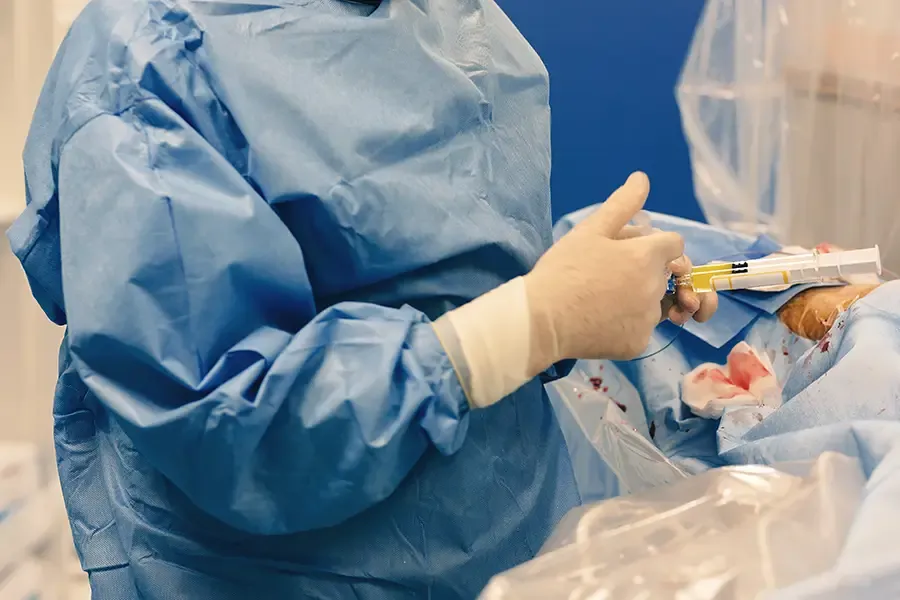
Uterine Fibroid Embolization is a minimally invasive procedure performed by interventional radiologists. During UFE, small particles are injected into the arteries supplying blood to fibroids, effectively shrinking them and alleviating symptoms.
Unlike surgical options, UFE does not require a large incision, and recovery is typically faster. Women seeking a fertility-sparing fibroid treatment often prefer UFE due to its non-surgical approach.
What Are the Common Symptoms of Uterine Fibroids?
Uterine fibroids vary in size and location, and symptoms may differ for each individual. Common symptoms include:
- Heavy menstrual bleeding
- Pelvic pain or pressure
- Frequent urination
- Lower back pain
- Pain during intercourse
- Difficulty conceiving or infertility
Women experiencing these symptoms may be candidates for UFE, especially when fibroids significantly affect daily life.
When to Consider Uterine Fibroid Embolization
UFE may be appropriate for women with the following situations:
-
Persistent Fibroid Symptoms If fibroids cause severe pain, heavy bleeding, or pressure that impacts quality of life, UFE can provide relief without surgery.
-
Fertility Considerations Women who wish to preserve their uterus and potential fertility may prefer UFE over a hysterectomy. While UFE can impact fertility, it is generally considered safer for women who want to avoid removing the uterus.
-
Non-Surgical Preference For patients seeking non-surgical fibroid treatment, UFE offers a minimally invasive solution with shorter recovery times and less risk compared to open surgery.
-
Failed Medical Therapy If medication or hormone therapy has not effectively managed symptoms, UFE may be recommended as the next step.
-
Fibroids of Certain Sizes and Locations UFE is typically suitable for women with multiple fibroids or larger fibroids that may not be addressed effectively with medication alone.
Overview of the UFE Procedure
UFE is performed under local anesthesia with conscious sedation. Here is a step-by-step overview:
- Access: A small catheter is inserted into the femoral or radial artery.
- Guidance: Using imaging techniques, the catheter is guided to the uterine arteries supplying blood to the fibroids.
- Embolization: Tiny particles are injected to block blood flow to the fibroids, causing them to shrink.
- Completion: The catheter is removed, and a small bandage is applied to the insertion site.
The procedure typically takes 1–2 hours, and most patients can return home the same day.
Recovery and What to Expect
Recovery after UFE is usually faster than surgical alternatives:
- Pain and Cramping: Mild to moderate pain is common for a few days; pain medication can help.
- Return to Activities: Many women resume normal activities within a week, though heavy exercise should be avoided initially.
- Symptom Improvement: Relief from heavy bleeding and pressure often occurs within a few weeks to months.
- Follow-Up: Regular imaging may be conducted to monitor fibroid shrinkage.
Fertility and UFE Considerations
For women considering pregnancy, fertility implications should be discussed:
- UFE preserves the uterus, but some studies suggest potential impacts on fertility.
- Consultation with a gynecologist and interventional radiologist is recommended before proceeding.
- Women with a strong desire for future pregnancy may consider alternative uterine fibroid treatments or carefully evaluate the risks and benefits.
Alternatives to UFE
While UFE is effective for many women, other options may be considered:
- Hysterectomy: Complete removal of the uterus; definitive treatment but eliminates fertility.
- Myomectomy: Surgical removal of fibroids, preserving the uterus; suitable for women desiring pregnancy.
- Medication: Hormonal therapies or non-hormonal medications to control bleeding or pain.
- Minimally Invasive Surgery: Laparoscopic or robotic-assisted myomectomy for select cases.
Discussing options with a healthcare provider helps determine the most appropriate course based on symptoms, age, fertility goals, and overall health.
Key Benefits of UFE
- Minimally invasive procedure with no large incisions
- Shorter recovery time compared to surgery
- Preservation of the uterus
- Effective symptom relief for bleeding, pain, and pressure
- Outpatient procedure in most cases
Is UFE the Right Choice for You?
Uterine Fibroid Embolization (UFE) is a safe, minimally invasive option for women seeking effective non-surgical fibroid treatment. It offers relief from fibroid symptoms, preserves the uterus, and provides a shorter recovery compared to traditional surgery. Women with heavy bleeding, pelvic pain, or fertility considerations should consult a qualified interventional radiologist to determine if UFE is the right treatment for them.
References
- Dasgeb B, et al. “Uterine artery embolization for fibroids: a review of current outcomes.” Seminars in Interventional Radiology, 2010. Link
- Liang E, et al. “Systematic review and meta-analysis of current evidence in uterine artery embolization vs myomectomy for symptomatic uterine fibroids.” European Radiology, 2024. Link
- Stewart EA. “Epidemiology and management of uterine fibroids.” Obstetrics & Gynecology, 2020. Link
Medically Reviewed By: Shrenik Shah, MD
Medical Disclaimer: This content is for informational purposes only and does not constitute medical advice. Always consult a qualified healthcare provider for diagnosis and treatment options specific to your condition.